Creativity & the Science of Learning
Creativity, gently grounded in science.
Creativity is not a luxury — it is how children make sense of themselves and the world. Here is a friendly look at what learning science suggests.
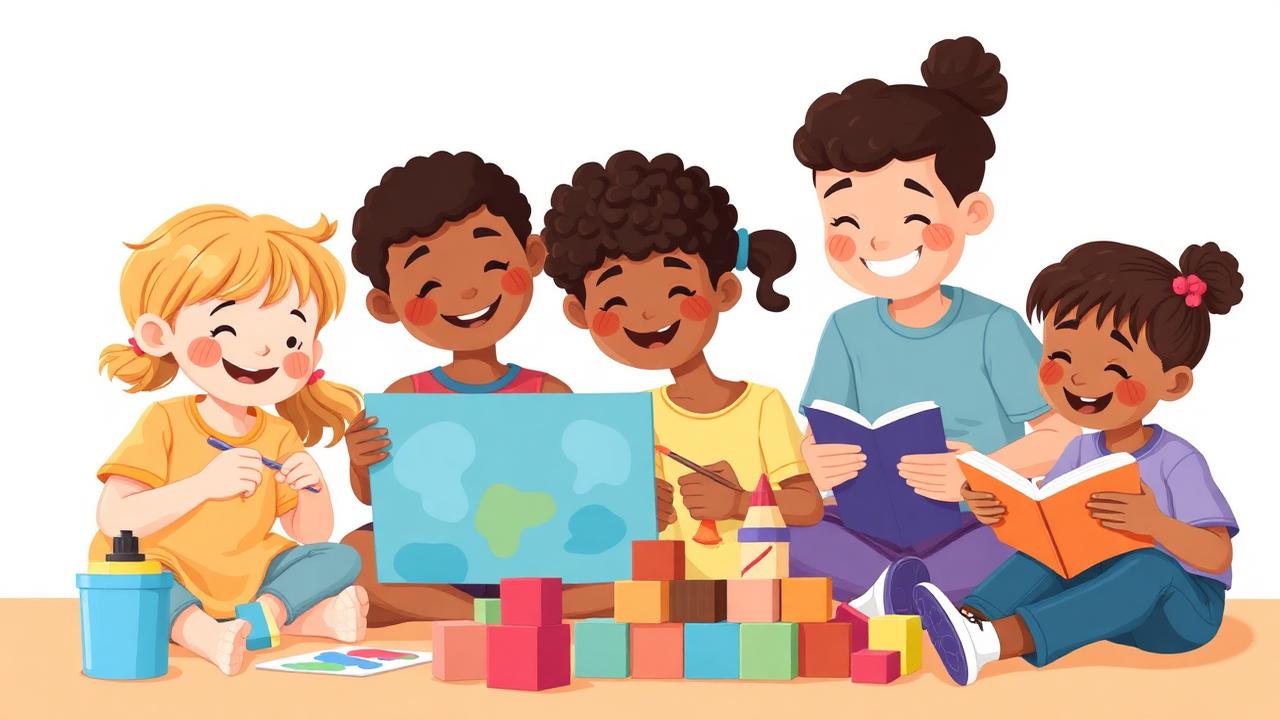
Creativity and cognition
Creative thinking activates many brain regions at once — including those used for memory, emotion, and prediction. Creativity helps the brain practice flexibility.
Imagination and learning
Pretend play and imagination are practice for real life — building language, planning, empathy, and problem-solving.
Visual thinking science
Many learners encode ideas more strongly when images and diagrams are involved. Visual thinking is a strength, not a shortcut.
Pattern recognition
Spotting patterns is a foundation of math, music, science, and art. Neurodivergent kids often shine here.
Emotional processing through creativity
Making art about a feeling tends to lower its intensity and increase understanding. Expression is its own form of regulation.
Music and the brain
Music engages timing, prediction, memory, and emotion together — a uniquely whole-brain activity.
Storytelling and cognition
Stories help us remember, connect, and make meaning. Story-rich learning sticks longer.
Related
CreativeKid is an educational platform, not a medical or diagnostic service.