Emotional Regulation Toolkit
Big feelings, gently supported.
A growing collection of compassionate tools for parents, caregivers, and educators — small practices that help kids notice, name, and shape feelings.
Regulate, then relate
A calm body comes before calm conversation. The first move is co-regulation — your steady presence helps a child's nervous system settle.
Make tools tiny
Short, repeatable practices work best. A 60-second breath, a 2-minute drawing, a single grounding sentence — small is sustainable.
Calming exercises
- Hand-shaped breath: trace each finger, inhale up, exhale down.
- Slow watercolor wash — paint the feeling.
- Heavy-work hug or weighted blanket.
- 3-minute body scan, noticing what feels okay.
- Music-with-eyes-closed pause.
Breathing exercises
- Bumblebee buzz: long humming exhale.
- Square breath: in 4, hold 4, out 4, hold 4.
- Smell-the-flower, blow-the-candle breath.
- Belly-balloon breath with a hand on the tummy.
Sensory calming ideas
- Dim the lights and lower the voice.
- Offer a fidget, a blanket, or a cozy corner.
- Try a cold drink or a crunchy snack for input.
- Step outside for fresh air and slow walking.
Art-based regulation
- "Scribble it out" page when frustration rises.
- Color-the-feeling: pick a color, fill a shape.
- Tear-and-collage paper — release and rebuild.
- Mood drawing: storm, sun, waves, garden.
Emotional vocabulary tools
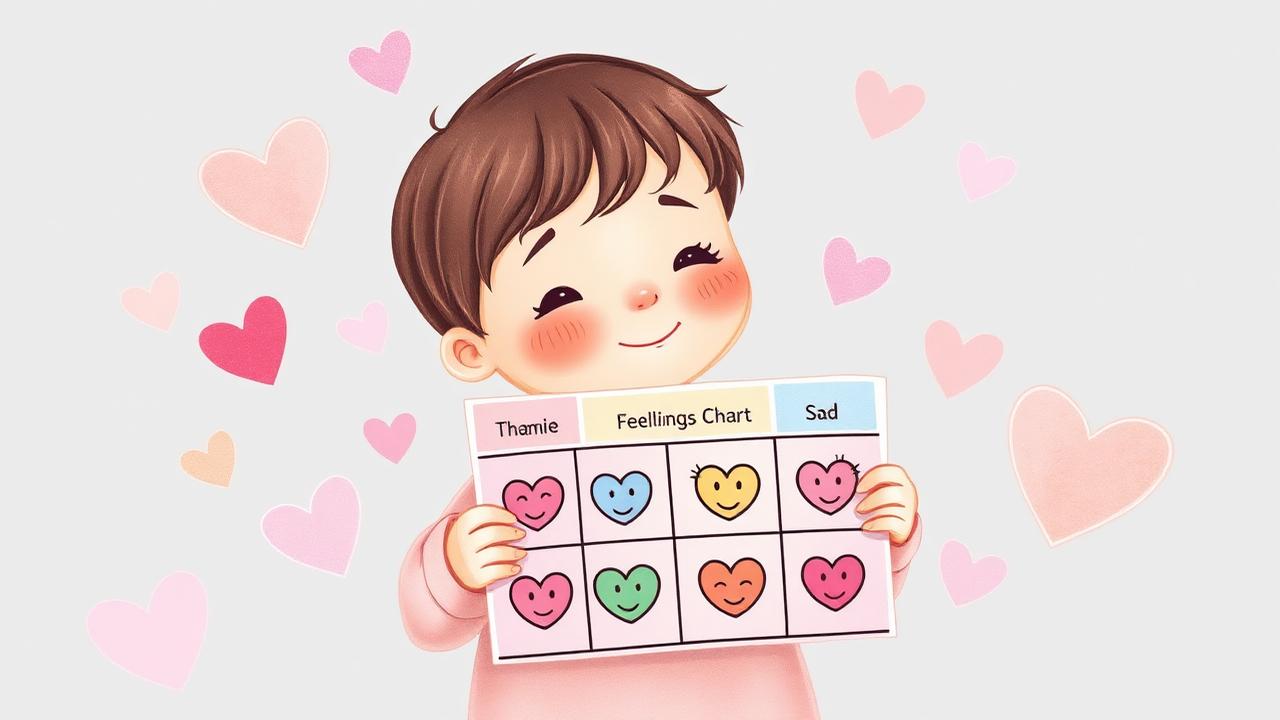
- Feelings wheel printable.
- "I feel ___ because ___" sentence starter.
- Mood meter color check-in.
- Word-of-the-day for emotions.
Emotional Regulation Toolkit: People also ask ❓
Related
CreativeKid is an educational platform, not a medical or diagnostic service.